Introduction
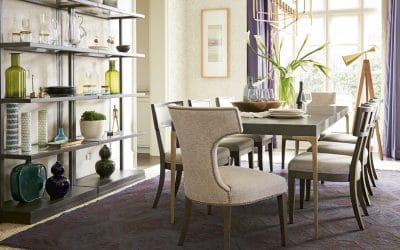
You know that feeling when you walk into a space and instantly feel calmer, even if you cannot explain why? The light feels gentle, the textures feel inviting, and the room just feels easy to enjoy. That quiet sense of comfort often comes from something as simple as connection to nature. That connection is exactly what biophilic interior design principles are all about. Biophilic design is not just decorating with plants. It is about shaping your home in a way that feels natural to live in. It considers light, materials, layout and texture so your space supports how you feel every day.
As more people focus on wellness at home, nature-inspired interior design is becoming less of a trend and more of a lifestyle. Homes are no longer designed just to look impressive. They are designed to help you slow down, breathe a little deeper and actually enjoy being there. In 2026, this idea is becoming more intentional. Homes are shifting from being visually biophilic to sensorially biophilic. It is not just about how natural a space looks. It is about how natural it feels when you live in it.
What Is Biophilic Interior Design?
In simple words, biophilic interior design is about bringing the feeling of nature into your home in a thoughtful and lasting way. Humans are naturally drawn to natural light and organic materials. There is a reason sitting near a sunny window or walking through a park feels good. Our brains and bodies respond positively to those environments. So when designers talk about biophilic design in interiors, they are talking about spaces that feel grounded and comfortable on a deeper level. Today, that also means choosing materials that are not just visually organic but truly feel natural. Using solid wood instead of laminate, linen and cotton instead of synthetic fabrics or natural stone instead of printed surfaces can completely change how a space feels.
Why Humans Are Wired to Respond to Nature
Notice how you feel after spending time outside. Even a short moment in fresh air or natural light can lift your mood. That reaction is not random. Our nervous systems are constantly reading our surroundings. Natural environments have variety without chaos. Light changes throughout the day. Surfaces feel textured and real. Shapes are softer and less rigid. All of this helps the mind relax without feeling bored. When your home reflects those same qualities, it starts to feel more supportive. Rooms feel less tiring to be in. Daily life feels a bit smoother. You may not notice it right away but over time, the difference is real. The goal is not just to recreate nature visually but to recreate its experience inside your home through texture, tone and atmosphere.
Core Biophilic Interior Design Principles
The beauty of biophilic interior design principles is that they do not require a specific style. You can have a traditional home, a modern home, or something in between. What matters most is how the space feels. Let’s explore the elements that make a home feel connected to nature.
1. Natural Materials and Honest Textures
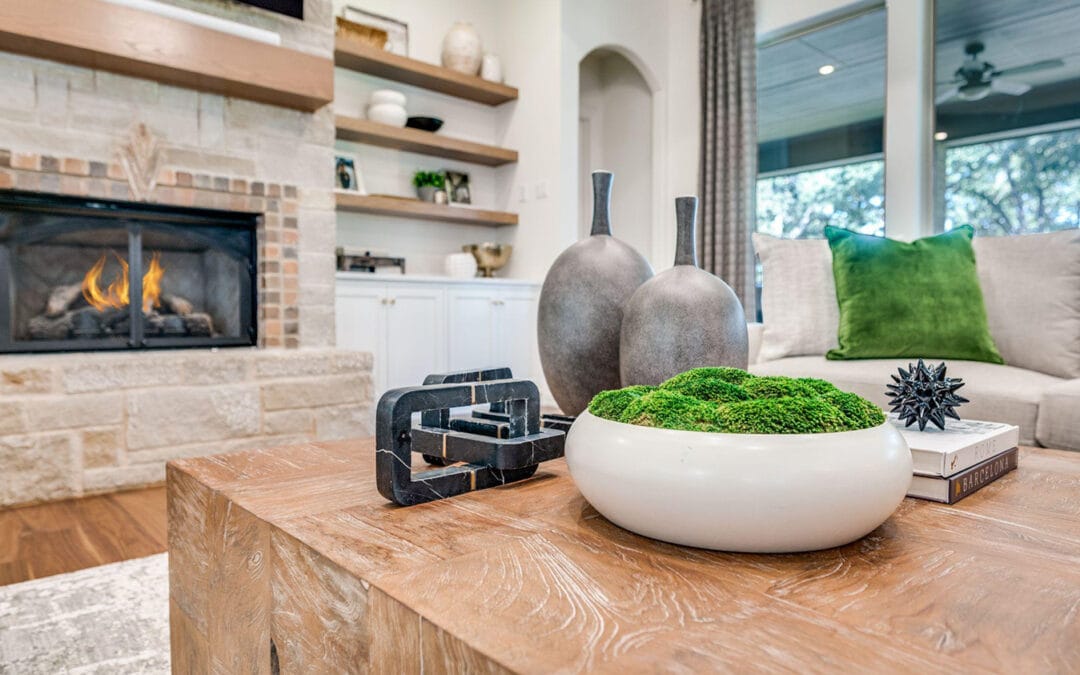
One of the easiest ways to bring in nature-inspired interior design is through materials that feel real and welcoming. Materials like wood, stone, linen, cotton, and clay are perfect choices. These materials have depth and variation. The grain in wood, the weave of linen, the subtle movement in natural stone all add character. These textures in interior design make a home feel natural and lived in rather than flat or overly polished.
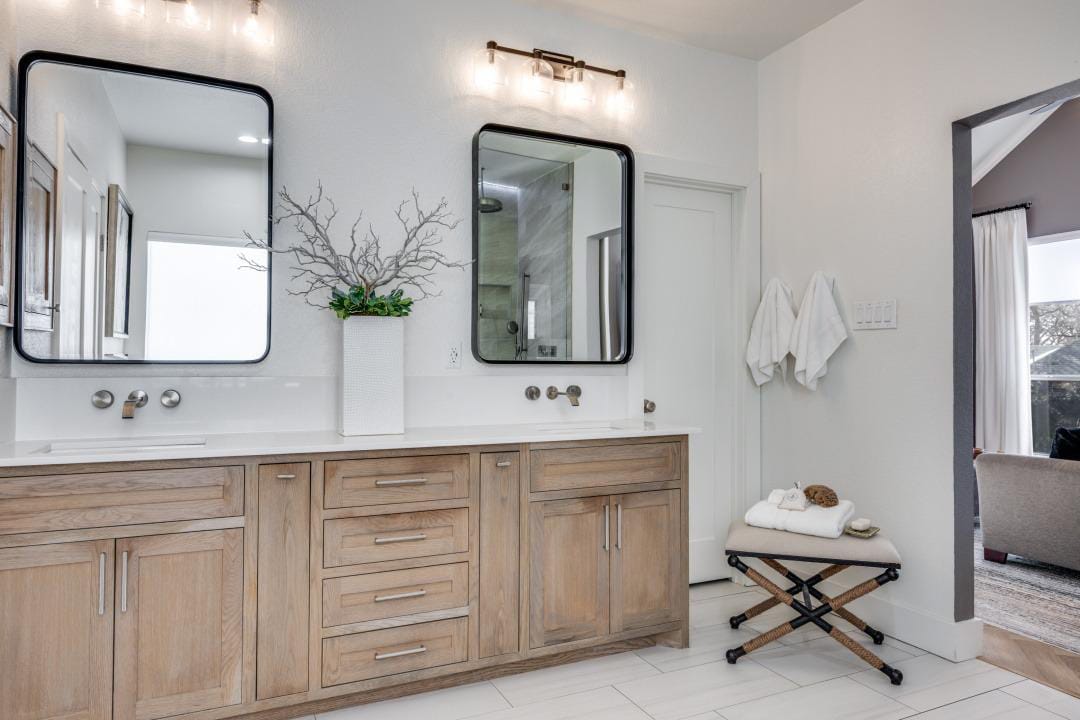
If you want practical ways to apply this, start with simple swaps. Choose white oak or walnut finishes instead of high-gloss cabinetry. Use linen style curtains that allow soft light to filter through. Add a rug with visible texture rather than a flat synthetic one. Even matte clay or limewash paint can instantly make walls feel more organic.
2. A Visual and Physical Connection to Nature
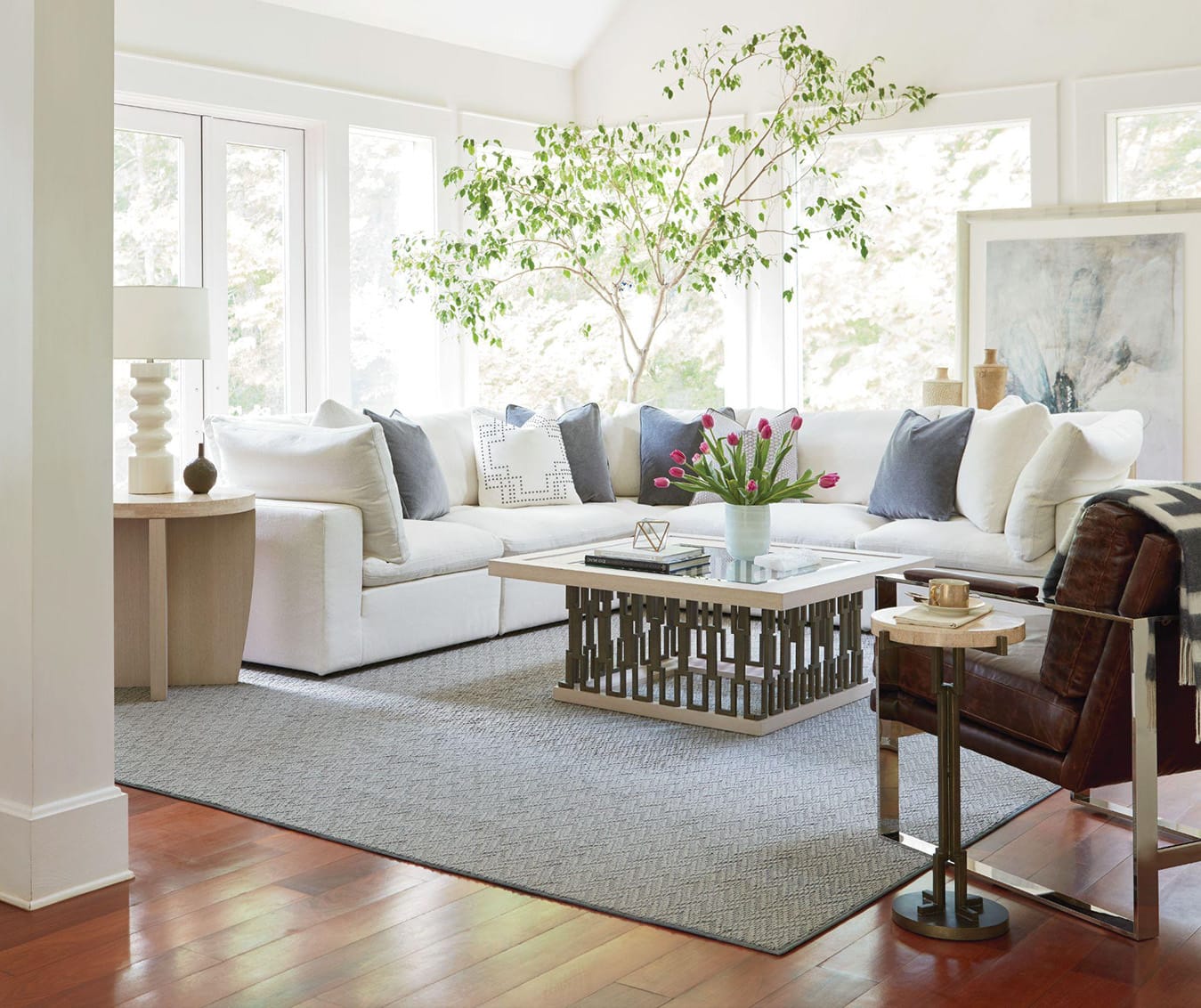
A strong connection to the outdoors is the key principle of biophilic interior design. Natural light makes a big difference and rooms that let daylight flow freely instantly feel open and uplifting. A view of greenery, a few indoor plants, or materials that reflect nature can create a gentle link between inside and outside. You can enhance this by choosing a nature-based color palette. Colors like warm whites, soft beiges, muted greens, clay tones, sandy taupes, and earthy browns feel calm because they mirror the outdoors. Keeping window treatments light and breathable also allows daylight to move naturally through the space.
3. Organic Shapes and Patterns
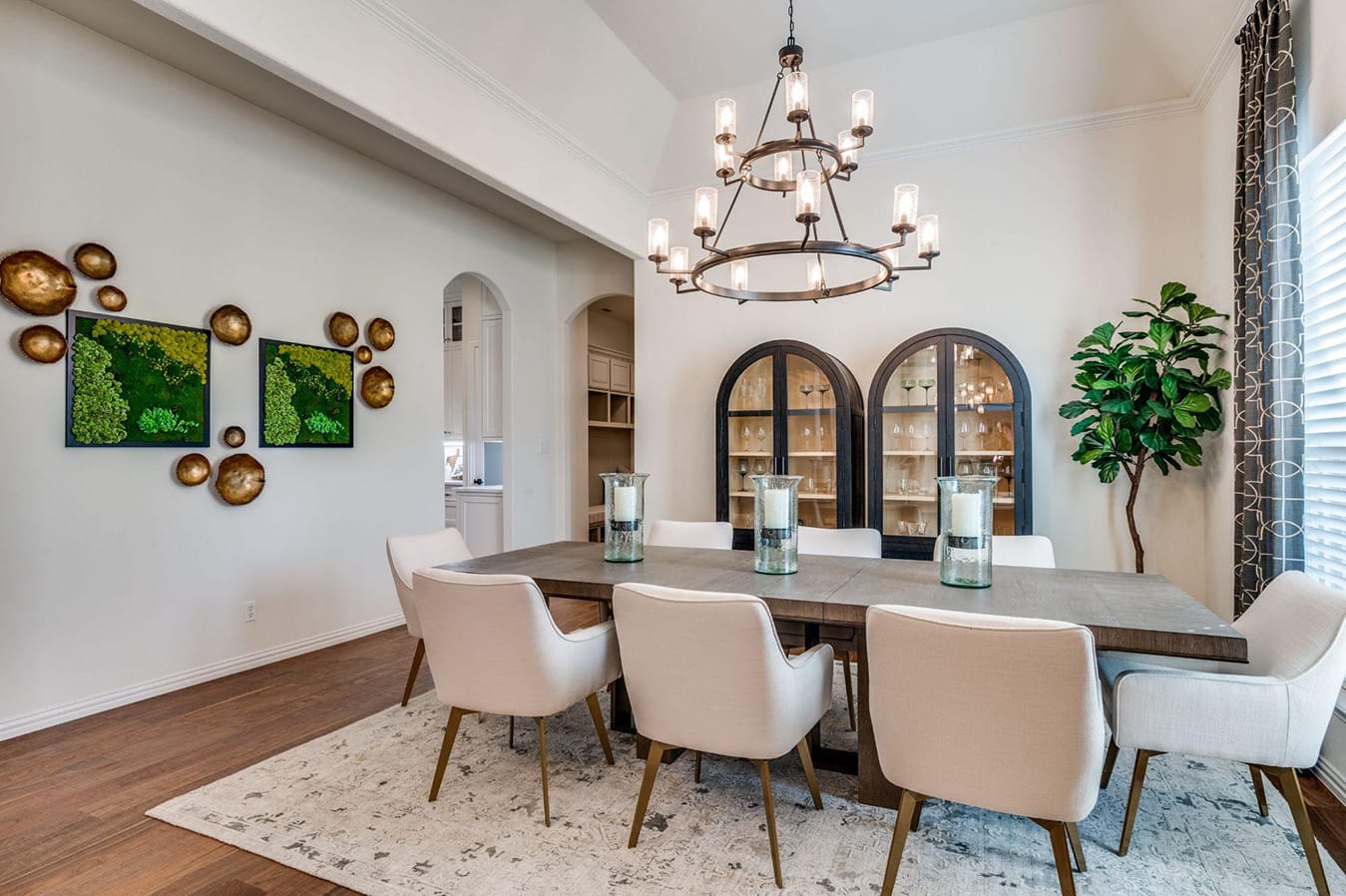
Nature is rarely perfectly straight or symmetrical, and interiors feel more biophilic when they reflect that. Rounded tables, curved sofas and patterns inspired by leaves or water can make a room feel more relaxed. These organic shapes break up harsh lines and make a space feel more welcoming and less rigid.
4. Sensory Design (Beyond What We See)
Sensory interior design is where biophilic design becomes more than just visual. It is the softness of a woven throw, the warmth of sunlight on the floor, the cool touch of stone, or the quiet of a well-layered room. When a home feels good to the touch, it becomes a place you truly enjoy. In 2026, how a room feels is just as important as how it looks. Interiors are paying attention to texture, comfort, airflow and temperature. Choosing soft and breathable fabrics, layering natural textiles and letting fresh air move through a room can make a space feel alive. Biophilic design isn’t just about what you see. It’s about the way your home feels when you walk across a wooden floor or lean against a natural fabric. Living in a space like this is a full sensory experience that quietly lifts your mood and makes every day feel a little easier.
How Biophilic Design Shows Up in Real Homes
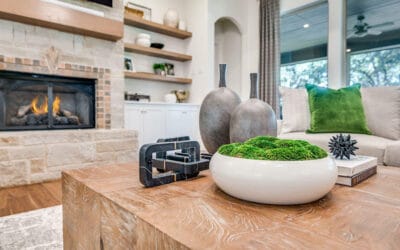
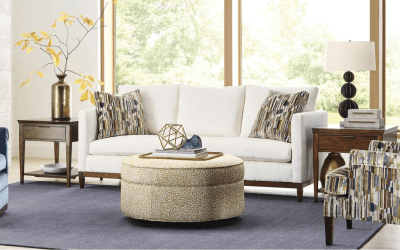
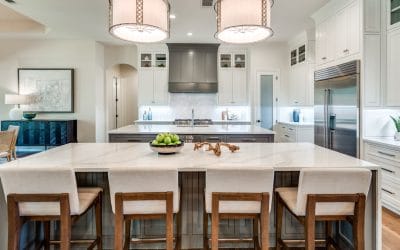
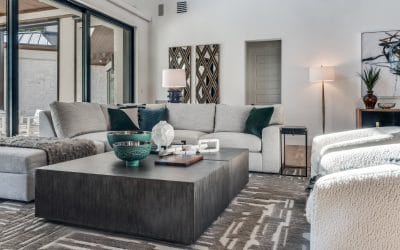
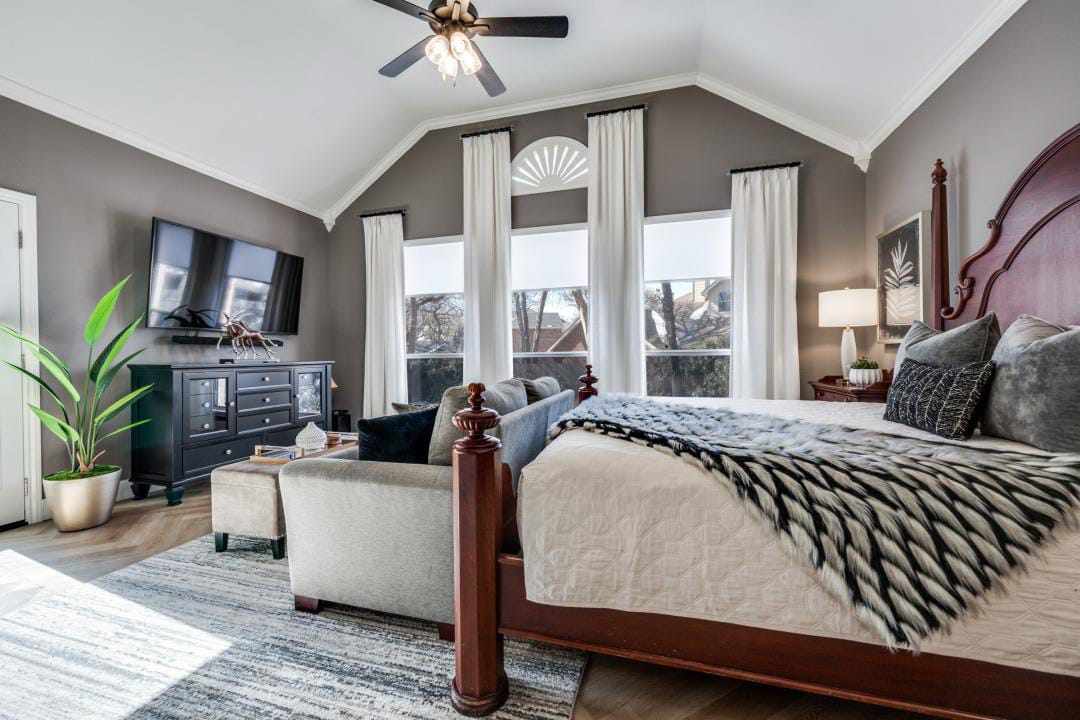
In real homes, bringing nature inside is all about balance. In the living room, a natural-textured sofa, a wooden coffee table, and some soft daylight can make the space feel warm and inviting. Similarly, in the bedroom, soft textures, breathable fabrics, and colors from nature help create calm. Even the kitchen can feel natural with stone surfaces, warm wood details, and an open or easy-to-move layout. You don’t need plants in every corner. It’s really about little touches that keep your home connected to nature in a simple and comfortable way. You can choose matte stone countertops instead of polished ones, wooden open shelving instead of glossy cabinets, or ceramic decor pieces that carry natural imperfections. These details make a space feel more natural rather than staged.
Common Misconceptions About Biophilic Design in Interiors
A lot of people think biophilic design is just about putting a few plants around the house. Plants definitely help, but it’s really about more than that. Lighting exposure and placement, the way a room is laid out, the materials you use, and even textures all play a role in making a space feel natural and calming. Some people also think it only works in modern homes, but natural elements can look just as beautiful in traditional or transitional spaces. And it doesn’t have to be expensive. Simple changes like better light, layered textures, and natural materials can make a huge difference without a full renovation.
How to Start Applying Biophilic Principles in Your Home
You do not have to transform everything at once.
- Start by letting in more natural light where possible
- Layer natural textures like wood, linen, and cotton
- Choose fewer but better materials that age gracefully
- Add greenery in a way that feels manageable
- And most importantly, notice how each room feels, not just how it looks
These small steps help create a home that feels calmer, warmer and more connected to the natural world.
Designing with Nature at Landry Designs
Creating a home that feels connected to nature doesn’t have to be complicated or expensive. It’s about thoughtful touches, from natural light and textures to colors and materials that make your space feel calm and welcoming. At Landry Designs, we help turn these ideas into interiors that are not only beautiful but comfortable and easy to live in every day. If you’re ready to bring a sense of balance and calm to your home, explore our award-winning portfolio or book a complimentary consultation to start designing a space that truly feels like yours.
FAQs
What are the main principles of biophilic interior design?
They include natural materials, plenty of daylight, organic shapes, connections to nature, and spaces that feel good to experience with all the senses.
How is biophilic design different from organic modern design?
Biophilic design focuses on the human connection to nature. Organic modern is a style that blends modern design with natural materials. They often overlap but come from different ideas.
Does biophilic design improve mental health?
Homes that include natural light and greenery are often linked to reduced stress and improved mood.
How do I add biophilic design without adding plants?
You can use natural materials, soft textures, organic shapes and nature-inspired colors.
Is biophilic interior design suitable for small spaces?
Yes. Small homes equally benefit from better light, layered textures, and natural materials.
Can biophilic design work in traditional homes?
Absolutely. Wood, stone, textiles, and nature-inspired patterns fit beautifully into traditional interiors.