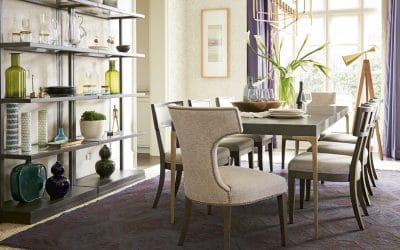
Home value is often associated with location, size, or how new a property looks. But there is another factor that quietly plays a major role in how a home is priced, and that often neglected factor is interior design.
So, can interior design improve home value? The answer is yes, but not in the way most people expect. It is not about making a home look fancy or expensive. It is about creating spaces that feel functional and easy to live in. When done right, interior design improves how buyers see a home and how much they are willing to pay for it.
Interior design works on both an emotional and practical level. Buyers may not always know what they like about a space, but they can feel when something works. That feeling often translates into stronger interest and better offers.
The Link Between Good Design and Property Value
Property value is not only about numbers on paper. It is also about perception. When someone walks into a well-designed home, it feels welcoming and well cared for. Good interior design improves how a space flows from one room to another. It helps rooms feel more spacious, more functional, and more comfortable. Even older homes can feel fresh and appealing when the layout, finishes, and lighting are right.
Buyers are often drawn to homes that feel move-in ready. Interior design helps create that feeling by reducing visual clutter and making spaces functional. When a home feels easier to live in, it often feels more valuable too.
Design Choices That Pay Off
Not every design trend adds value. Some choices are highly personal, while others appeal to a broader audience. The design decisions that truly pay off are the ones that improve daily living while still feeling timeless.
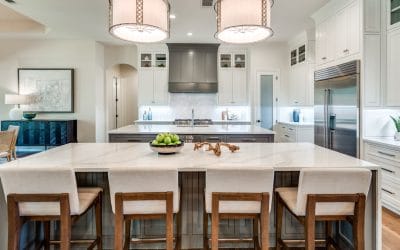
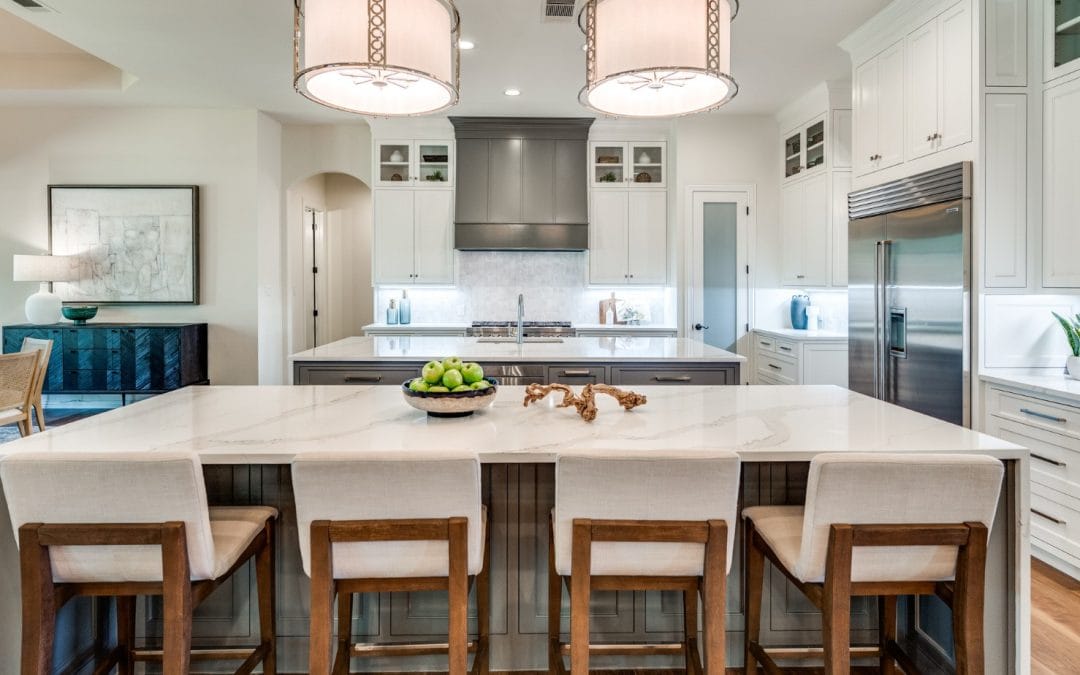
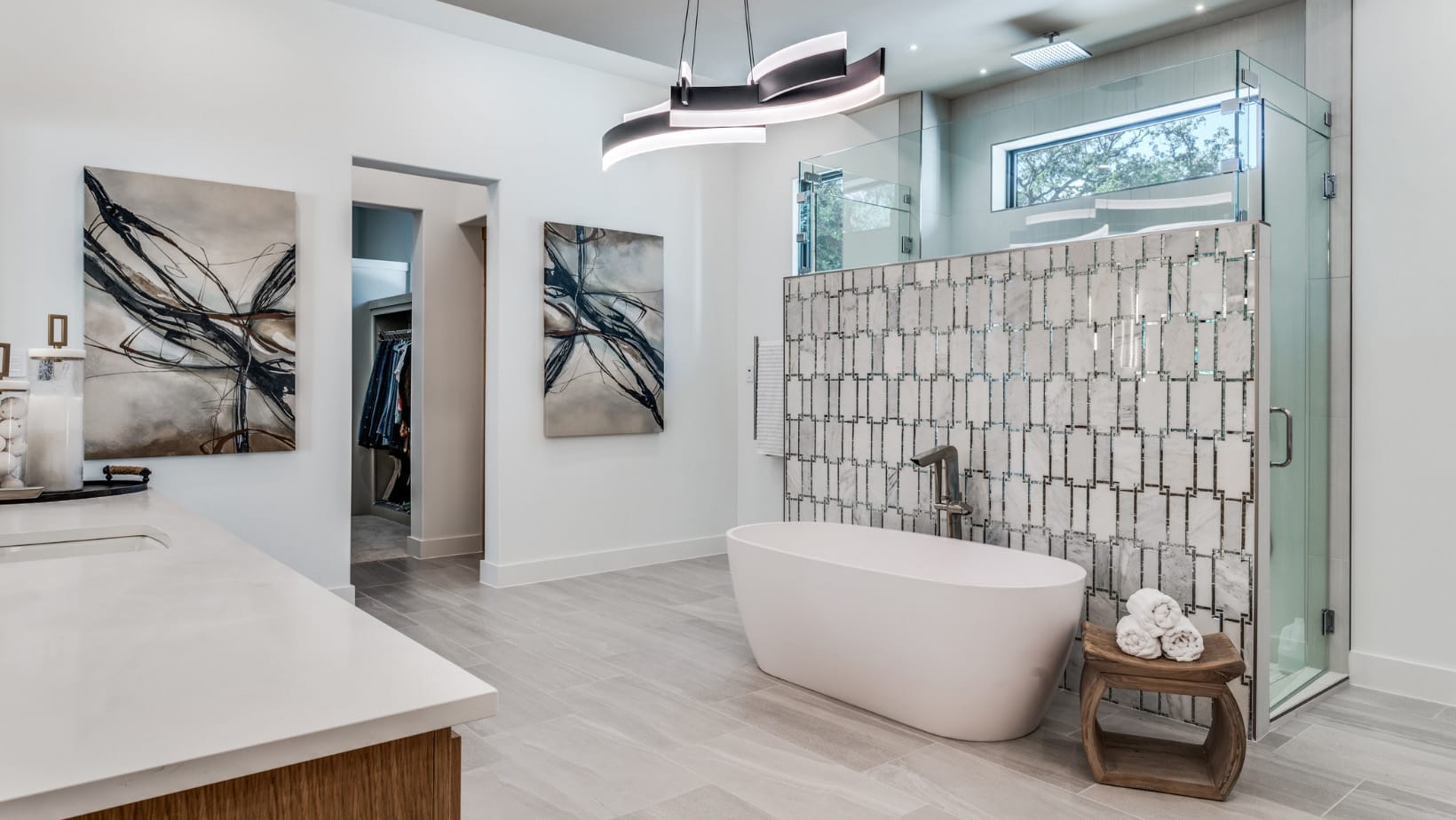
Kitchens and bathrooms are a great place to start. These spaces carry a lot of weight when it comes to buyer decisions. Thoughtful design can improve layout, lighting, and finishes without requiring a full renovation. A kitchen that feels organized and efficient often leaves a stronger impression than one filled with expensive but poorly-planned upgrades. The same applies to bathrooms that feel clean and functional.
Layout and storage also play a big role in perceived value. A home can be large, but if the layout feels awkward or storage is limited, it quickly loses appeal. Interior design helps make better use of existing space by improving furniture placement and adding smart storage solutions. When a home feels organized and easy to navigate, it naturally feels more valuable.
Color palettes and lighting quietly influence how a home is experienced. Neutral, cohesive colors help rooms feel connected and balanced. Good lighting—both natural and artificial—can make spaces feel larger and more inviting. Together, these elements create a sense of harmony that buyers often associate with quality, and are willing to pay more for it.
Small Upgrades That Make a Big Impact
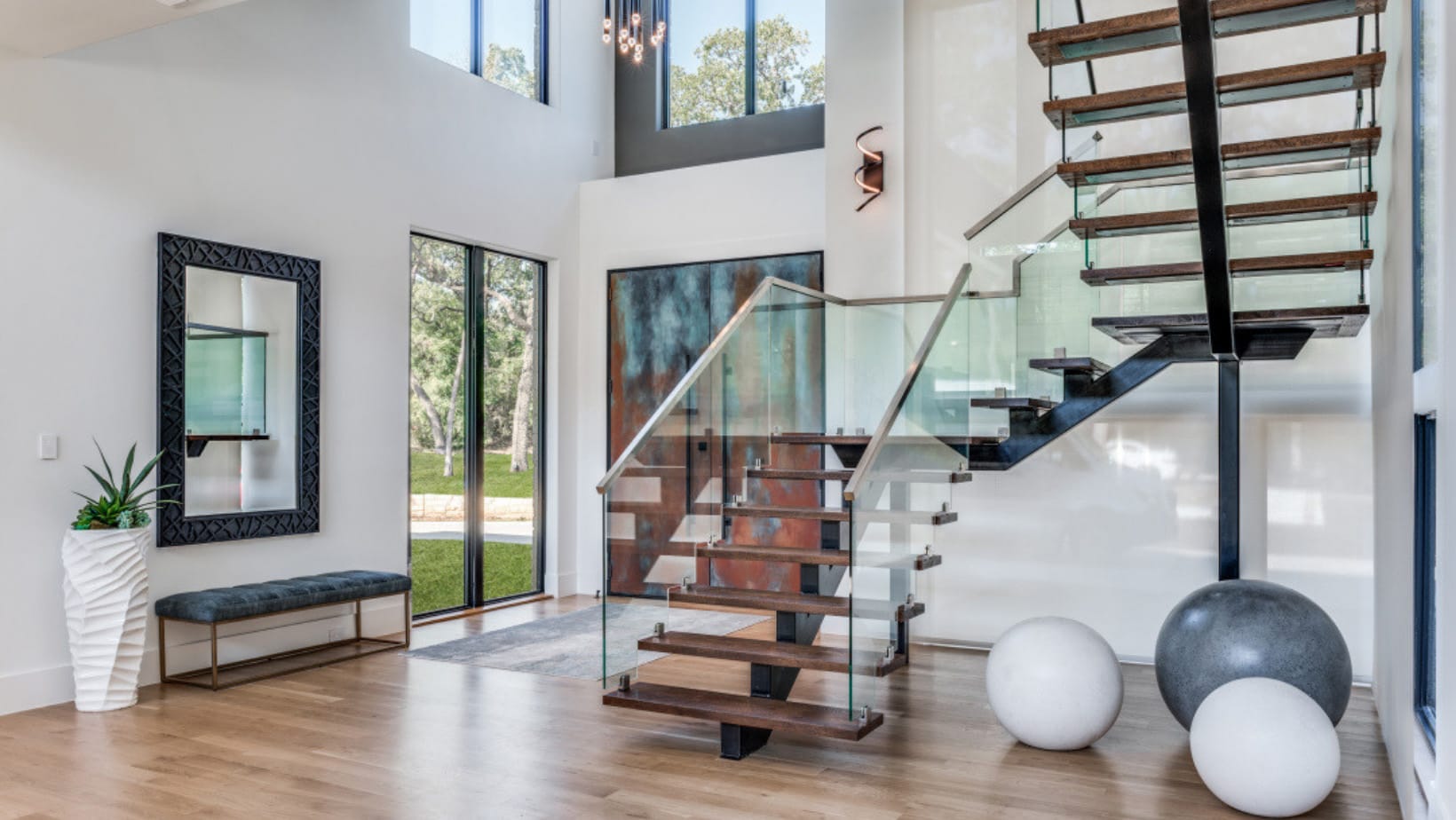
Increasing home value does not always require major changes. Small design updates can significantly improve how a space feels and functions. Simple adjustments like refreshing wall colors, improving lighting placement, or even reworking furniture layouts can make rooms feel more open and intentional. Entryways, in particular, benefit from thoughtful design since they set the tone for the rest of the home. These upgrades may seem minor, but they help buyers emotionally connect with a space. That emotional connection is often what turns interest into action.
Why Hiring a Designer Is a Smart Investment?
Hiring an interior designer is often seen as an added expense, but it is more accurate to think of it as a strategic investment. Designers understand how to balance personal style with long-term value. They help homeowners avoid costly mistakes and guide decisions that will age well over time. A professional designer looks at the home as a whole. Instead of focusing on individual rooms, they consider flow and consistency. This approach creates spaces that feel complete rather than pieced together.
Designers also know which trends are worth exploring and which ones are better avoided. That knowledge helps protect a home’s value while still allowing it to feel current and comfortable.
Real Examples from Landry Designs Projects
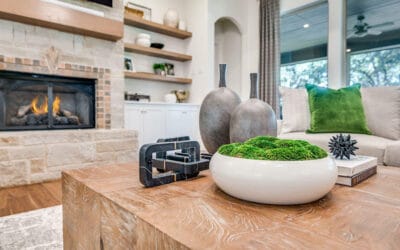
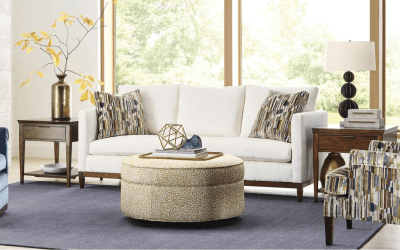
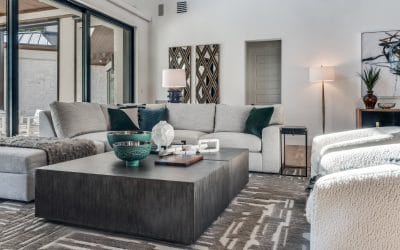
Across Landry Designs projects, one thing remains consistent. Thoughtful design choices lead to spaces that feel both elevated and practical. These projects focus on functionality and timeless appeal rather than overdone trends.
By refining layouts and improving how spaces are used, Landry Designs creates interiors that support everyday living while also enhancing long-term value. These homes do not just look good. They feel right, which is often what buyers respond to most.
Ready to Increase Your Home’s Value?
Interior design has a lasting impact on how a home is lived in and how it is valued. Whether you are planning to sell or simply want to invest wisely in your space, thoughtful design choices can make a meaningful difference.
Exploring professionally designed spaces can offer clarity on what works and why. If you are looking for inspiration, take a look at Landry Designs’ award-winning interior design portfolio to see how intentional design transforms homes into lasting investments or book your complimentary consultation with us today.
Frequently Asked Questions About Home Value and Interior Design
Can interior design improve home value without major renovations?
Yes. Strategic design updates such as improved layouts, better lighting, and cohesive styling can significantly increase perceived value without structural changes.
Is interior design worth it before selling a home?
In many cases, it is. Interior design helps highlight a home’s strengths and improves buyer appeal.
Which rooms benefit most from interior design?
Kitchens, bathrooms, and living areas tend to have the biggest impact, but entryways and bedrooms also play an important role in buyer perception.
Does following trends increase home value?
Not always. Timeless and balanced design choices usually perform better than trends that may feel outdated quickly.
How does interior design influence buyer decisions?
Interior design shapes how buyers emotionally connect with a space. A home that feels comfortable and functional often feels more valuable.