Why Seamless Interior Design Matters
When you move from one room to the next, does your home feel connected or does each space tell a completely different story? If your living room, kitchen and hallway each feel like they belong to separate houses, you’re not alone. That kind of disconnect is more common than you’d think, and the good news is that it’s completely fixable. When a home flows beautifully from one space to the next, it feels intentional and easy to live in. That feeling of ease isn’t just an accident, it’s the result of seamless interior design. This doesn’t mean making every room look the same. It means selecting colors, materials, lighting, and layouts that feel like they belong together so that each room connects to the next without feeling forced.
What Is a Seamless Interior?
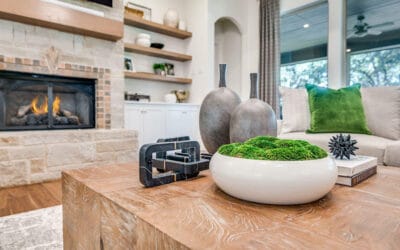
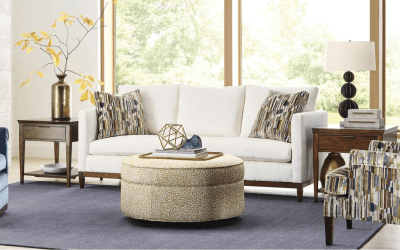
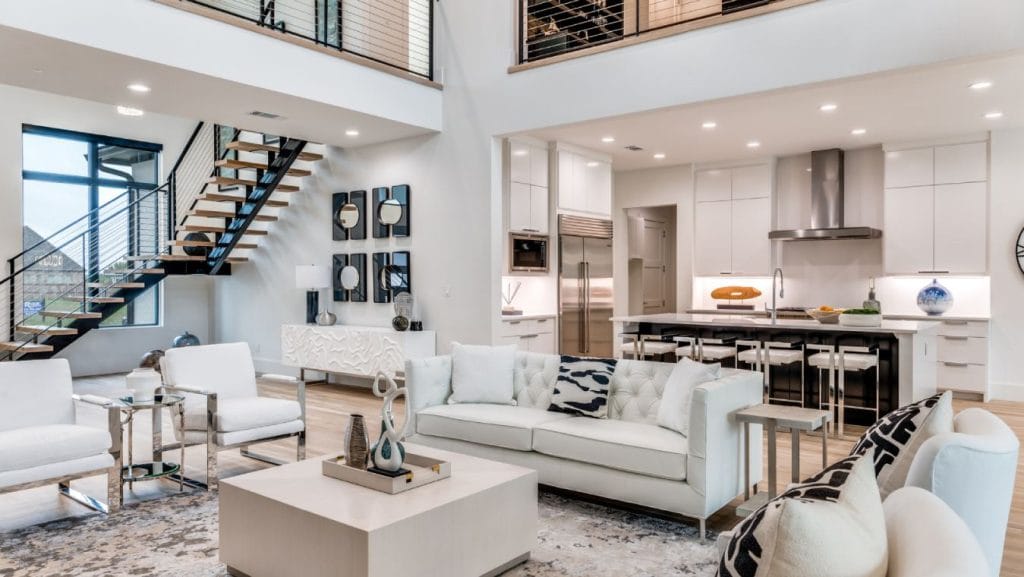
Designing a seamless interior is about cohesion, not uniformity. It doesn’t mean painting your entire home the same shade of beige or filling every room with identical furniture. Instead, it’s about creating subtle, intentional connections and visual threads that tie your spaces together in a way that feels natural and well considered. A seamless interior brings both practical and emotional benefits. It makes your home feel more open and restful by minimizing visual distractions. When colors, finishes and proportions align, your eye moves through the space with ease—and so do you. That kind of harmony supports relaxation and creates a sense of calm that lingers long after you walk through the door.
Why Choose Seamless Design?
1. Better Traffic Flow and Functionality
Have you ever had to side-step a bulky chair or awkwardly pivot around a table to get from one room to another? Good flow eliminates that. Seamless interiors take layout into account, so your furniture and decor don’t just look good, but also work for the space.
2. Enhanced Sense of Space
Using cohesive materials and color palettes can make rooms feel larger and more open. Repeating finishes like flooring or cabinet hardware creates a continuous line for the eye to follow, which makes your home feel more expansive.
3. Timeless Style and Resale Appeal
Homes with cohesive design tend to feel more timeless. They’re easier to update with a few well-placed accessories, and they make a strong impression on potential buyers who appreciate a space that feels well-designed from the ground up. If resale value is a concern, seamless interiors are a smart investment.
Key Principles for Effortless Flow
1. Color & Material Continuity
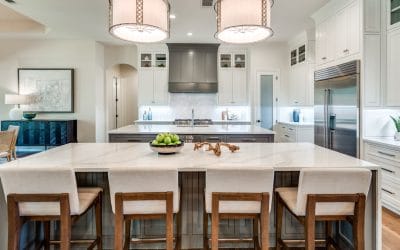
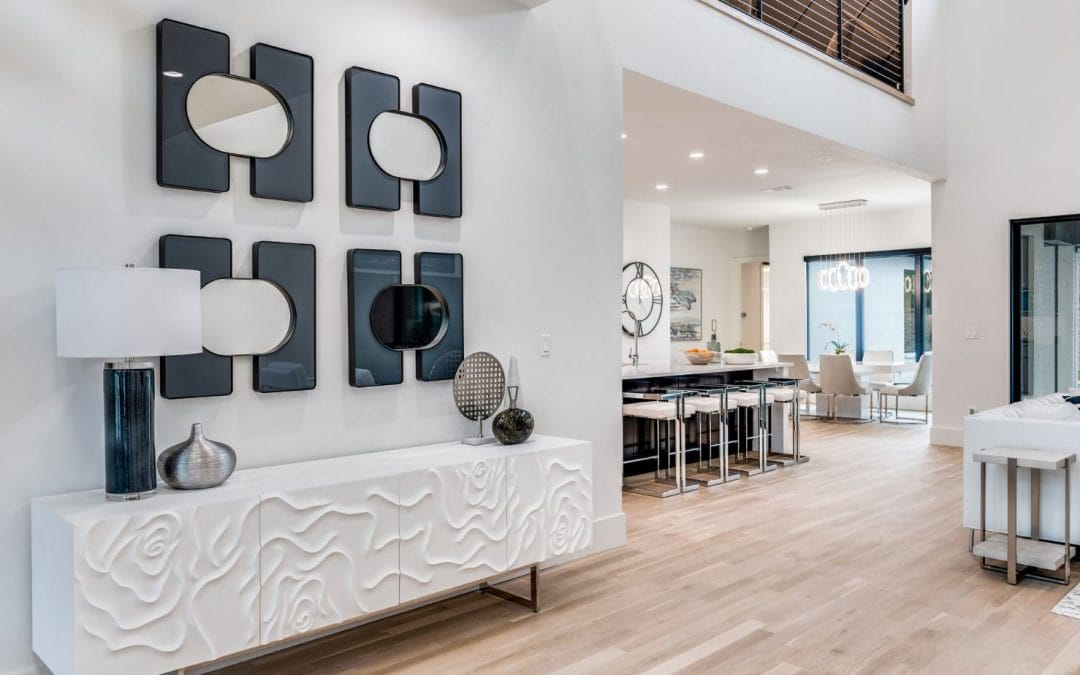
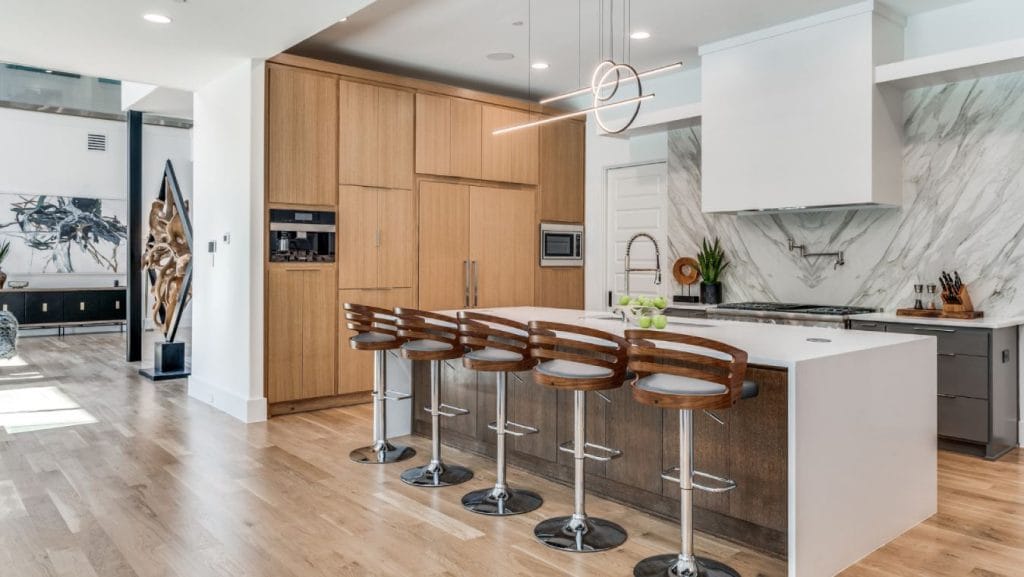
Choose a controlled palette and echo it throughout your home. If your kitchen has brushed gold hardware and creamy white cabinets, echo those tones in nearby rooms through light fixtures, throw pillows, or artwork. Flooring is a big one too, using the same wood or tile throughout helps unify everything.
2. Furniture Placement & Scale
Scale can make or break a room. A massive sectional sofa might feel cozy in the den but it can throw off the balance if it’s crowding a walkway or blocking a sightline to another room. Align furniture in a way that feels intuitive.
3. Layered Lighting
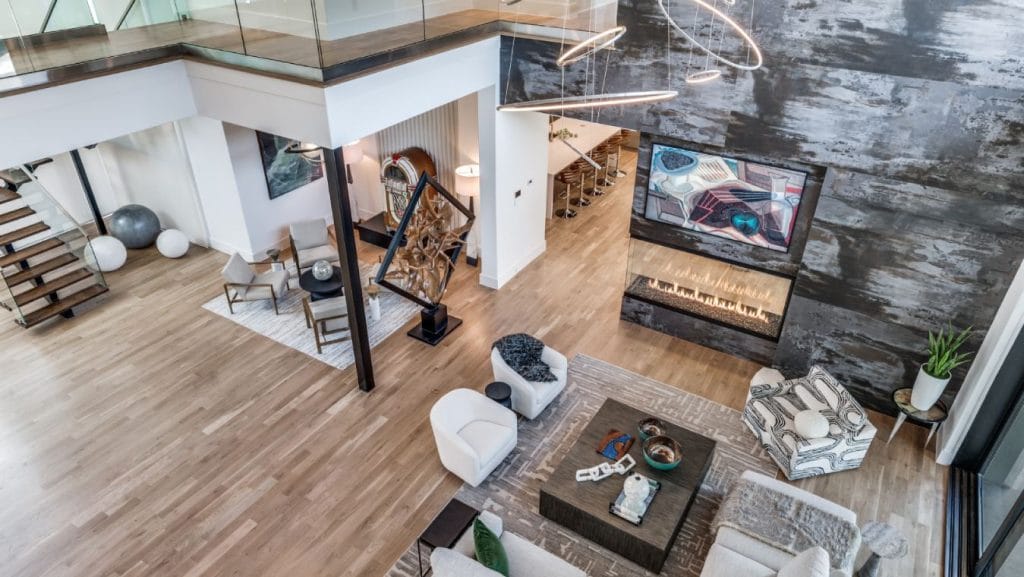
Layering light is essential. Start with ambient lighting like ceiling fixtures, then add task lighting through lamps, pendants, or chandeliers, and finish with accent pieces such as wall sconces or under-cabinet lights. Choose fixtures that vary in shape or size but share a common finish or design language. Keeping finishes and styles consistent helps your lighting feel like an intentional part of the overall design not just a functional detail.
4. Texture & Pattern Harmony
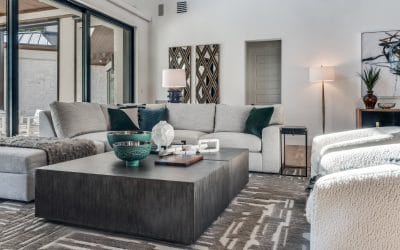
Mixing is encouraged but balance is crucial. If you’ve got a bold patterned rug in the living room, opt for subtler textures or smaller-scale patterns in the adjacent spaces. Repeating a motif like a stripe or geometric shape across textiles or art also creates subtle continuity.
5. Transitional Accents
This is where things get fun. Use elements like area rugs, oversized plants, framed art, or even wallpapered niches to gently guide one space into the next. A hallway with art in the same tone as your living room sofa creates an effortless connection that subtly draws the whole space together.
How to Create Seamless Flow in Your Home
1. Start with a Cohesive Color Scheme
Pick two or three core colors and let them lead your design decisions. These can shift slightly in tone, such as a light sage in one room and a deeper olive in another, but should always relate.
2. Map Out Traffic Patterns
Walk your home and note how you naturally move. Are there clear walkways? Are you always shifting furniture to get through a room? Make sure you’re not creating bottlenecks with furniture or layout.
3. Choose Uniform Materials & Finishes
That doesn’t mean you need to use the exact same countertop in every room but it does mean being mindful. If your kitchen features quartz and stainless steel, switching to copper and granite in the bathroom can feel jarring. Repeating key materials throughout the home creates a sense of connection and helps everything feel more intentional.
4. Plan Layered Lighting Across Rooms
Lighting should be taken as a whole-home decision, not a room-by-room one. Choose consistent fixture finishes and lighting color temperatures like warm white or soft daylight to keep things cohesive.
5. Add Repeating Accents for Visual Ties
From throw pillows and vases to mirror frames and artwork, repeating small details creates a visual flow that holds your design together. These subtle touches make a big difference in how your home feels overall.
Before & After: A Seamless Transformation
Landry Designs recently worked on a project where the home originally had a mix of contrasting wall colors, varied wood tones and lighting styles that made each room feel disconnected from the next. The overall look was busy and not visually relaxing. To bring everything into sync, we started by narrowing down the paint colors so the palette felt calm and connected throughout. We swapped out mismatched flooring for something more consistent, then adjusted the furniture so that each room felt open and purposeful. From there, we pulled accent colors into textiles and artwork to create subtle links between spaces. And finally, we brought in lighting that worked together in style and tone that helped in tying it all together without feeling repetitive.
Pitfalls That Break the Flow
- Too many unrelated patterns can overwhelm a small space.
- Poor furniture placement can disrupt natural movement between rooms.
- Clashing wood tones across flooring and furniture break visual harmony.
Bring Seamless Design to Your Home
A seamless home doesn’t happen by accident. It takes a clear design direction and a thoughtful approach. But when it comes together, the result is a home that functions better, feels bigger and makes your day-to-day living easier.
Want your home to feel more connected and seamless? Schedule a complimentary consultation with Landry Designs today.