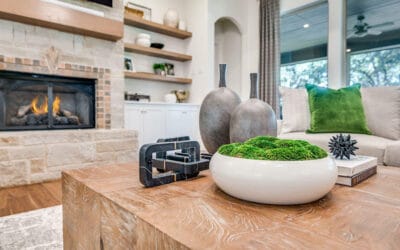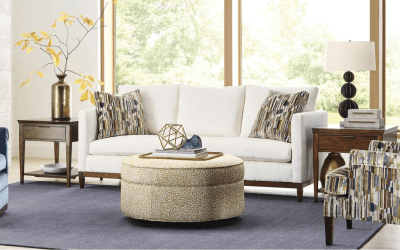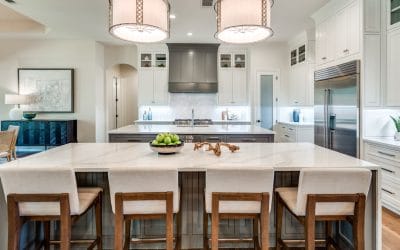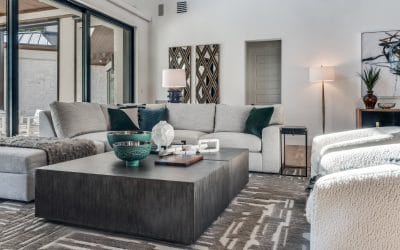
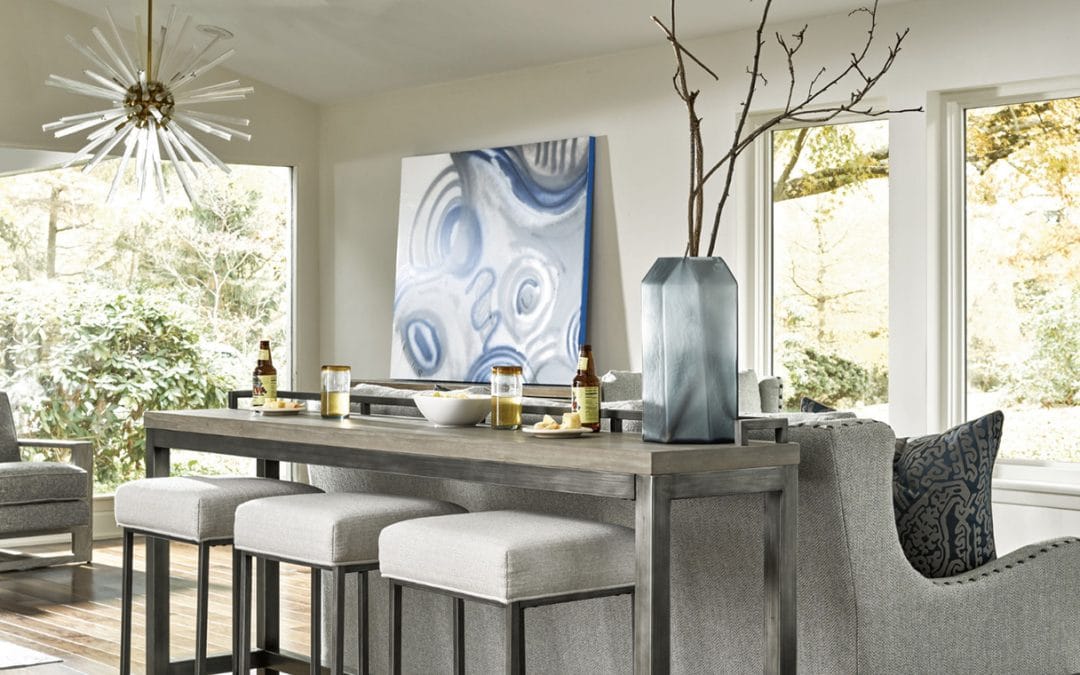
Have you ever walked into a room and instantly felt calm? Or stepped into another and felt oddly tense without knowing why? Your home has a quiet way of shaping your mood long before you even realize it. Interior design plays a big part in that. The colors you wake up to, the layout of the room, the textures you touch, and even the way light fills your space play a part in shaping your mood every single day. Once you start noticing these cues, it becomes easier to understand why some rooms feel more comforting than others.
The Science Behind Design and Emotions
Your surroundings gently influence how your mind responds to a room. A balanced space with soft visuals and warm lighting makes your nervous system relax. When things feel cluttered or disconnected, your brain quietly stays alert and on edge. This is why thoughtful design matters so much. When a room feels purposeful, you naturally feel grounded in it. The details should flow together in a way that naturally creates balance without you having to think about it.
The Psychology of Color: Calm vs. Energy
Color is often the first thing your mind reacts to when you enter a room. Some shades slow you down while others lift your energy right away. Soft blues or gentle greens create a calm effect that feels quiet and peaceful. Warm neutrals bring a cozy warmth that wraps around you. Bright yellows spark cheer while deeper tones like navy or charcoal add intimacy and create a cocoon-like atmosphere. And vibrant shades like red or orange bring liveliness to a space. If you want your bedroom to feel restful, choose colors that lower energy. Similarly, if you want your kitchen to feel more social and upbeat, warmer tones become your best friend. Color is one of the simplest but strongest tools for influencing how a room makes you feel, so use this tool wisely
Layout and Lighting: How Flow Affects Feelings
A room’s layout affects your mood far more than many people realize. When furniture fits well and nothing feels out of balance, your body instantly feels more at ease. Clear pathways make you move comfortably and that ease translates into a sense of calmness.
Lighting also plays a big role in this. Warm lighting softens your surroundings and makes your evenings feel calm, while natural light in the morning brings energy. A mix of lighting levels lets your space shift with you as your day moves from busy to relaxed. When the layout and lighting work in harmony, the room feels intuitive and emotionally balanced from the moment you walk in.
Texture and Comfort: Why Details Matter
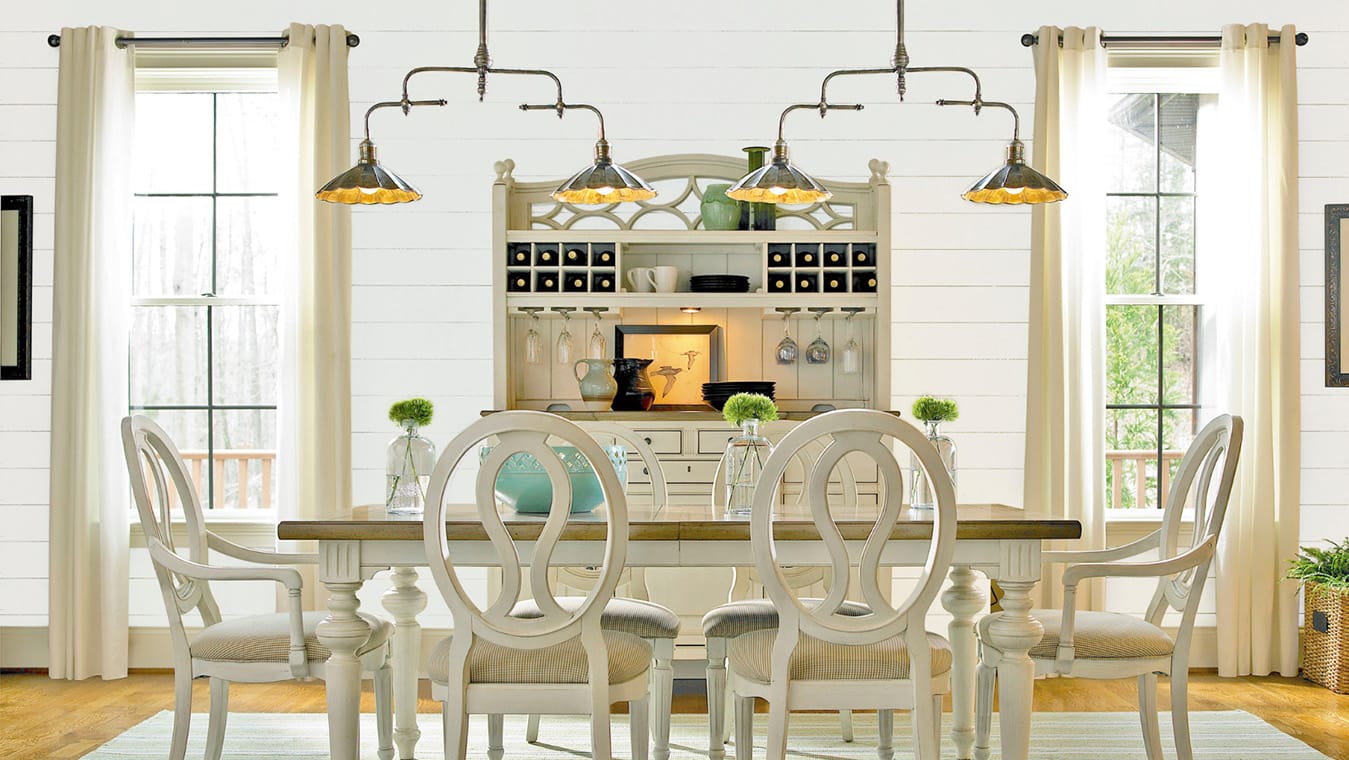
Different textures quietly shape the atmosphere of a room. A soft throw, a smooth stone countertop, a velvety chair or a woven rug all send different signals to your senses. Gentle textures calm you while structured textures energize you. These details may seem small but they are often the first things your body reacts to without you even realizing it.
Design with Intention: Creating a Space That Feels Like You
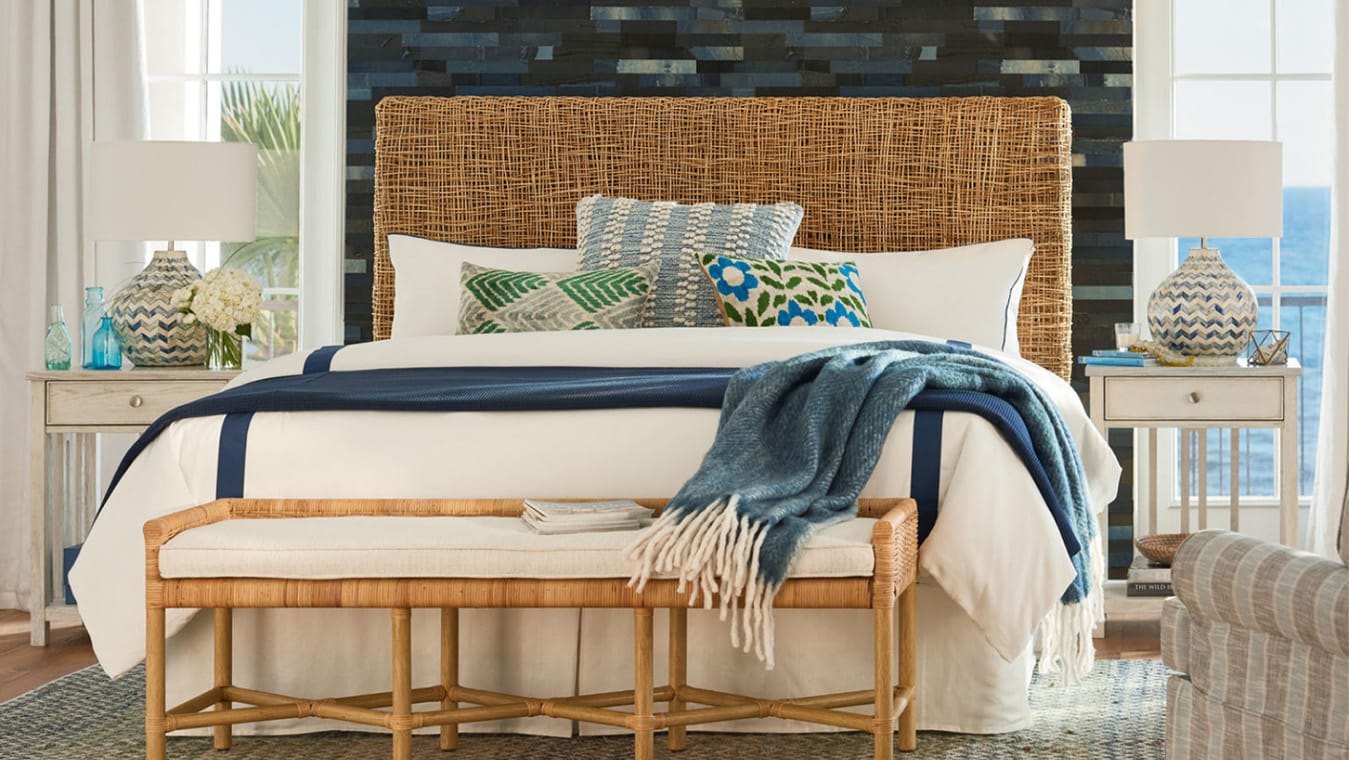
At the end of the day, the goal of interior design is simple. Your home should lift your mood and should feel like a place that understands you. When each choice lines up with your lifestyle and the emotions you want to create, your space becomes a reflection of your best self.
If you want help shaping a home that feels thoughtful and intentionally designed, Landry Designs would love to guide you. Take a look at our Award Winning Interior Design Portfolio and see how thoughtful design can completely transform the way you feel in your own home. And if you are curious about how we can bring that same experience to your space, book a complimentary consultation with us.