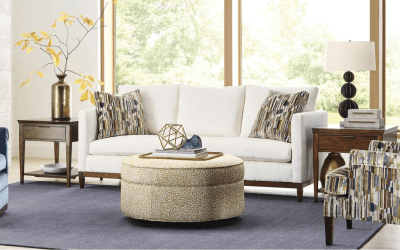

Do you love interiors and notice the way light hits a room or how one bold chair can change the overall look of a space? Maybe friends ask for your opinion when they’re picking paint colors or rearranging furniture, and you realize you naturally pay attention to how a room feels and functions. That curiosity can go beyond a hobby and grow into an interior design career path, but how do you actually turn it into a career? Interior design can look glamorous from the outside, yet there’s so much happening behind the scenes. It takes creativity, but also strategy and a whole lot of persistence. Let’s walk through the journey that answers all your questions about how to become an interior designer.
1. What Does an Interior Designer Actually Do?
A designer’s to-do list is rarely predictable. One day could be spent sourcing fabrics and putting together mood boards, and the next coordinating with contractors or troubleshooting delivery delays. It’s a balance between artistry and logistics. A common question people ask is the difference between a designer and a decorator. The answer is simple: designers work on both the function and the look of a space. They might redraw your floor plans, work with architects or make structural suggestions. Decorators, on the other hand, focus mainly on styling like color palettes, furniture and accessories, but still often work with contractors on making selections for remodeling projects.
2. Do You Need a Degree to Become an Interior Designer?
Many designers start with a degree in interior design, architecture or fine arts. A formal program teaches things like building codes, accessibility standards and computer-aided design. But the good news is, a degree isn’t the only way in. Plenty of successful designers have taken different routes, like interior design certification programs, apprenticeships or specialized courses. That’s where options like Landry’s Design Mastery Academy come in. It’s a hands-on program designed to give you real-world experience and skills without the years of commitment that come with a traditional four-year degree.

3. What Skills or Traits Help You Succeed in Interior Design?
Interior design is often romanticized, but the truth is that it takes much more than just a good eye. The most successful designers know how to balance creativity with the practical skills needed to handle real-world projects. Sure, creativity and spatial awareness help bring bold ideas to life, but that’s just the start. You also need strong communication skills—because what good is a vision if you can’t explain it clearly or really listen to what your clients want? And then there’s the business side, which might not sound glamorous but matters just as much. Skills like organization, budgeting, timelines and contracts are what keep a project running smoothly from start to finish. Think about where you already shine and where you might want to grow. The best part is that most of these strengths grow naturally with experience.
4. What Are the Career Paths in Interior Design?
Interior design is such a wide field that there is plenty of room to carve out your own path. If turning houses into personal sanctuaries appeals to you, residential design might be the right fit. But if the idea of shaping offices, restaurants or hotels excites you, then commercial design could be the better route since those spaces demand both function and style. There are also niche specialties like kitchen design, home staging or even set design for film and television. Career paths can be just as varied. Some designers join established firms, where mentorship and teamwork are part of the package. Others go the freelance route for independence and flexibility.
5. How Do You Start If You Have No Experience?
Starting out can feel intimidating, but remember: every designer starts from scratch. The secret is to build momentum step by step. One way is by putting together a small portfolio. You could start with your own space or even offer to refresh a friend’s room. Be sure to keep those before-and-after photos, because they go a long way in showing your growth. Another option is gaining experience through internships or apprenticeships, which give you a firsthand look at how real projects unfold day to day. And don’t forget the online world. Sharing your work on Instagram, Pinterest or Houzz is smart business, since many clients search these platforms when looking for new talent. Networking also plays a huge role. Some designers land their first projects in unexpected ways. The more you put yourself out there, the more opportunities you create.
6. How Can You Turn Interior Design into a Full-Time Career?
Once you’ve built your skills and gathered a few projects, the next step is scaling it into a business. That starts with setting rates that reflect not only your expertise but also the demand in your local market. A steady flow of clients often comes through referrals, networking, and a strong presence on platforms where people look for inspiration and talent. And no matter how far you go, ongoing education remains essential because design trends, materials and technology never stop evolving.
If you love design, there has never been a better time to explore it as a career. The path might look different for everyone, but the foundation is the same. Whether you see yourself styling homes, designing commercial spaces, or carving out a specialty of your own, the first step is simply starting. At Landry Designs, we’ve seen many aspiring designers take these steps and turn them into thriving careers. Explore Landry Designs interior design certification and gain the real-world skills and guidance you need to start building your dream design career today. With persistence and the right guidance, it’s absolutely possible!