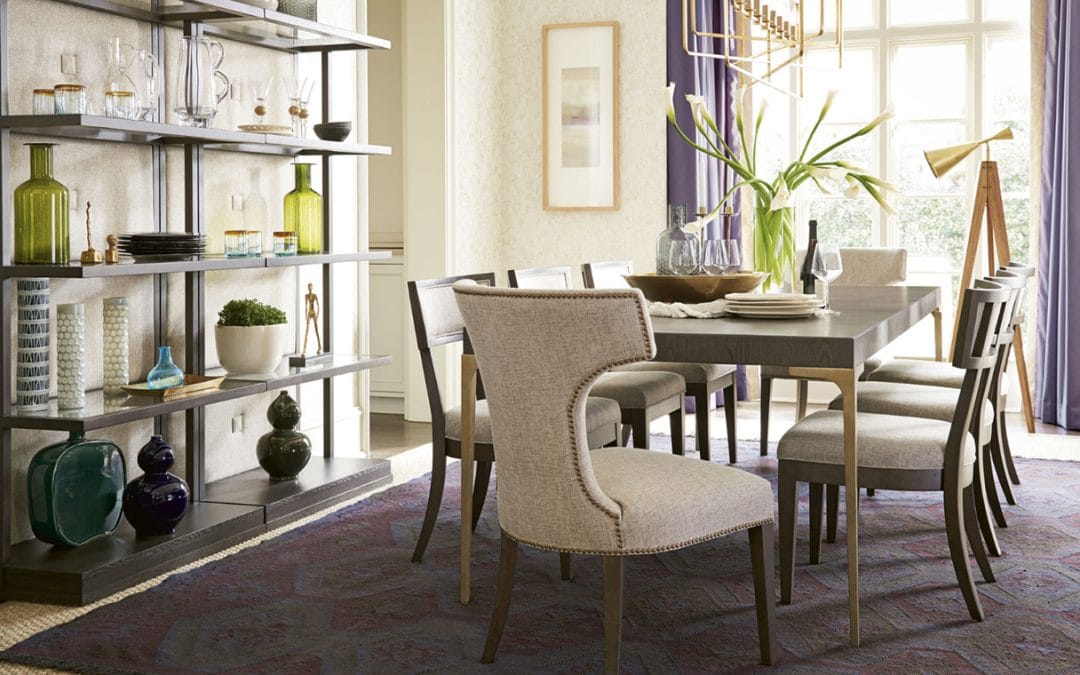
Small spaces can be surprisingly rewarding to design. They may feel limited at first, but once you start noticing how light, color, and thoughtful choices can open up a room, everything changes. That is the beauty of understanding how to make small spaces look bigger with design. Once you start seeing a small space as an opportunity instead of a limitation, everything becomes easier to shape. Let’s talk about some practical tips to make your small space look bigger.
Start with a Light, Cohesive Color Palette
Color sets the tone the moment you walk into a room. Soft and light shades create a sense of spaciousness. When the palette flows smoothly from one surface to the next, the eye naturally moves around the room without interruption. The goal is to create an atmosphere that feels open rather than boxed in. Even a single, well-chosen color can transform how large or small your room feels.
Use Mirrors and Reflective Surfaces Strategically
Mirrors are one of the simplest ways to stretch a space. They bounce light around and create the illusion of depth. A mirror placed opposite a window can make a small room feel almost twice its size. Even reflective accents like glass tabletops or metallic finishes add a little visual lift, especially in areas that feel heavy or dim.
Keep Furniture Scaled and Streamlined
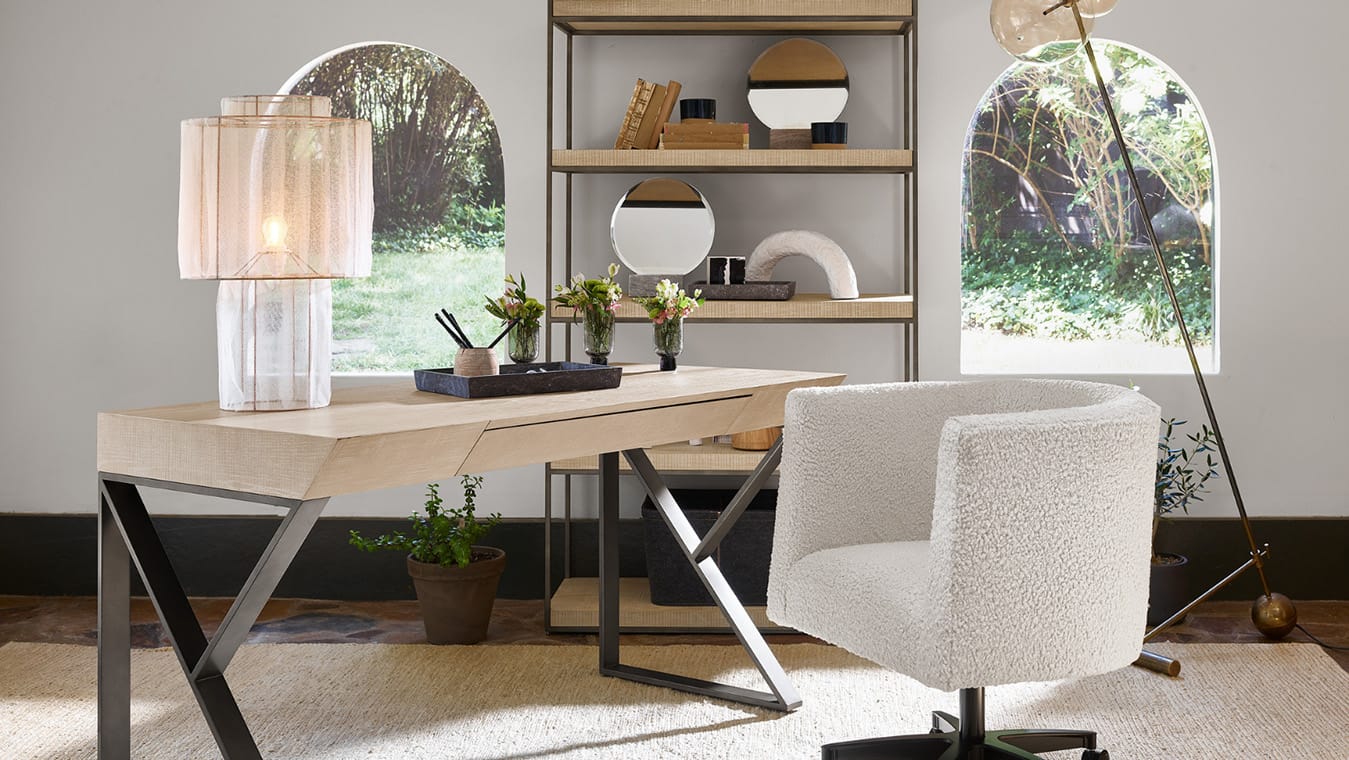
Furniture plays a huge role in how large a room feels. Oversized pieces can shrink a space, while streamlined silhouettes give your room a chance to breathe. Look for pieces with raised legs, open frames or softer lines that don’t overwhelm the room. When your furniture feels appropriately scaled, the entire space naturally starts to feel more open.
Optimize Lighting and Vertical Space
Good lighting opens up a room more than most people realize. Even a small space feels bigger when the light is distributed evenly. Instead of relying on a single overhead fixture, you can build layers of lighting that gently fill the room. Wall sconces, floor lamps, and task lights are great options. Each adds its own little lift to the room.
Similarly, vertical space matters just as much. Tall shelving, artwork hung slightly higher, or long draperies that reach the ceiling draw the eye upward. This creates the sense of height that small rooms often lack. It’s a great trick that can transform your space.
Declutter and Define Functional Zones
Clutter instantly makes any small room feel suffocating. When surfaces stay clean and storage is purposeful, the room naturally feels lighter. The goal isn’t minimalism. You can still keep the things you love, just arranged in a way that doesn’t crowd the space
Defining functional zones also helps. A reading corner, a small dining nook or a workspace gives each part of the room a clear purpose. This structure makes even the smallest areas feel thoughtful and functional.
Real Landry Designs Projects: Small Spaces, Big Impact
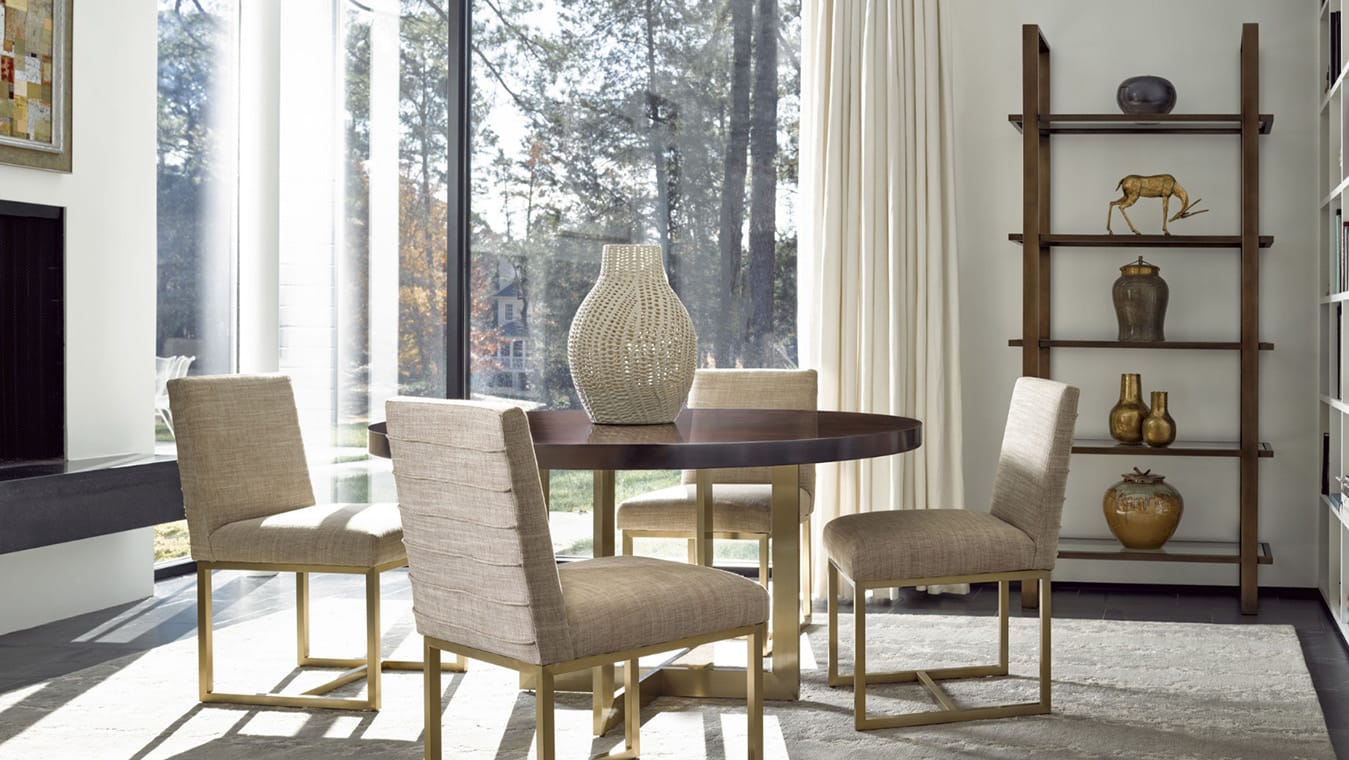
Small spaces often end up being some of the most enjoyable projects, because they require creativity and balance. Landry Designs has worked with homes of every size, and clients often share how surprised they are at how open their rooms feel once everything comes together.
If you want to see how these ideas come to life, take a look through our Award-Winning Interior Design Portfolio. It is a wonderful way to find inspiration and imagine what your own small space could become. And whenever you feel ready to explore your options, you can always book a complimentary consultation with us. We would love to help you reimagine your home in a way that feels functional, and completely you.