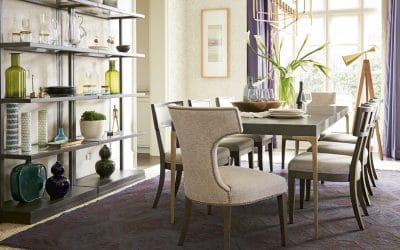
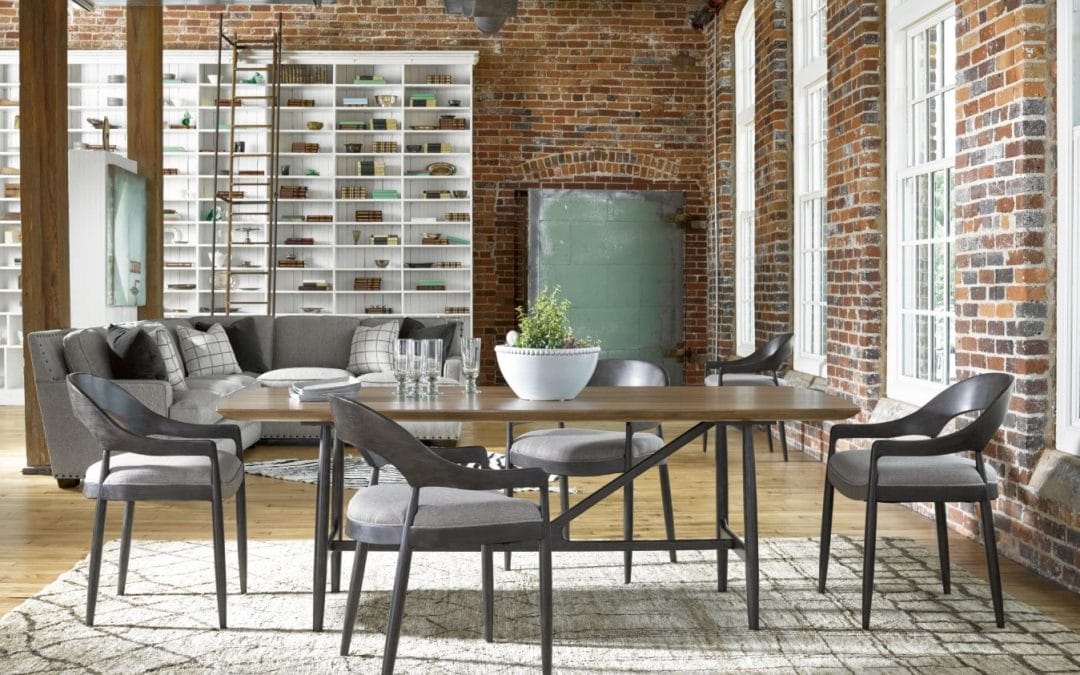
When it comes to design styles for modern homes, “contemporary” is one of those terms that gets thrown around a lot, yet it’s often misunderstood. Some people use it interchangeably with modern or minimalist, but the truth is that contemporary design has its own unique character. While modern design stays rooted in mid-20th-century aesthetics, contemporary evolves as trends and lifestyles change. That flexibility is what makes it so appealing. Contemporary design is less about sticking to a strict rulebook and more about reflecting what feels stylish right now.
So if you’ve been curious about how to tell contemporary interiors apart and whether this look is right for you, let’s walk through it together.
What Does “Contemporary” Mean in Interior Design?
At its core, contemporary design is all about the present moment. It doesn’t stay frozen in time the way modern design does, nor does it stick to one predictable formula. Instead, it borrows bits and pieces from different styles, like the simplicity of minimalism, the warmth of transitional spaces, or even a hint of industrial edge, and shapes them into something that feels fresh and relevant today. That’s why no two contemporary homes look exactly the same. One space might lean on sculptural furniture and polished concrete while another might feel soft and airy with earthy tones and natural light. The common thread is that everything looks intentional and very much “of the now.”
What Are the Key Features of Contemporary Interior Design?
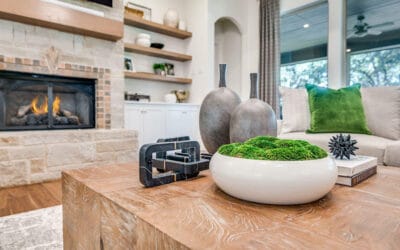
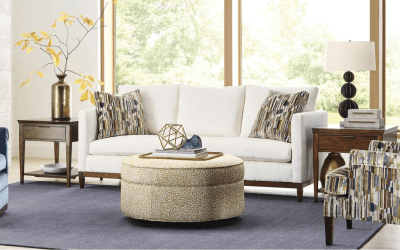
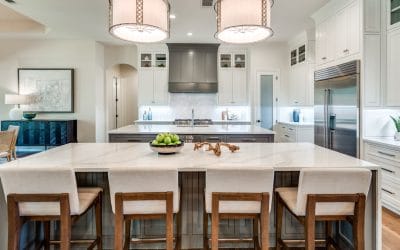
So how can you tell if a space is truly contemporary? Start by looking for balance and simplicity. Do the rooms feel open and airy or cramped and cluttered? Contemporary interiors usually have clean and strong lines along with layouts that let the space breathe. The walls and furniture often start with a neutral palette, like whites, grays or taupes and then a pop of color or a striking piece of art brings the room to life.
Materials make a big difference, too. You might see glass, metal or stone paired with warm wood or textured fabrics, which create contrast that’s interesting without feeling overwhelming. The key here is that every piece has its own space to shine. Rather than stacking on decoration, contemporary rooms feel polished and give you a sense that the space is stylish and functional.
How Is Contemporary Style Different from Modern Style?
This is usually the point where things get a little confusing, especially when trying to understand modern vs contemporary interiors. Modern design comes from a specific historical movement in the early-to-mid 20th century. It’s minimal and consistent, but it doesn’t really change with the times. Contemporary design is a different story. It’s flexible and evolves as tastes shift, and it borrows freely from different styles to stay fresh and current.
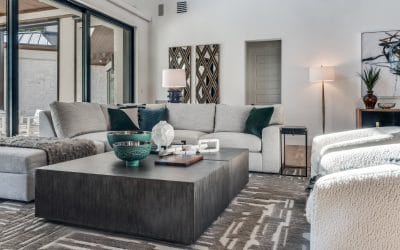
A modern living room often features mid-century wooden legs and muted earth tones. A contemporary living room, on the other hand, might have a low-profile sofa, a dramatic oversized painting, sleek concrete floors or maybe bold light fixtures. One reflects a classic and historical style while the other captures the look and feel of today. That adaptability is what makes contemporary design exciting and versatile.
What Kinds of Homes or Clients Is This Style Best for?
Contemporary design works especially well in homes with open layouts and natural light, which is why it’s often seen in city apartments and lofts. But it’s not just for urban spaces. You can also enjoy this style by keeping furniture practical and layering in cozy textures, so the space still feels fresh. If you’re someone who loves a clean and clutter-free home but doesn’t want things to feel too stark, contemporary design might be the perfect fit for you.
How Can You Incorporate Contemporary Design into Your Home?
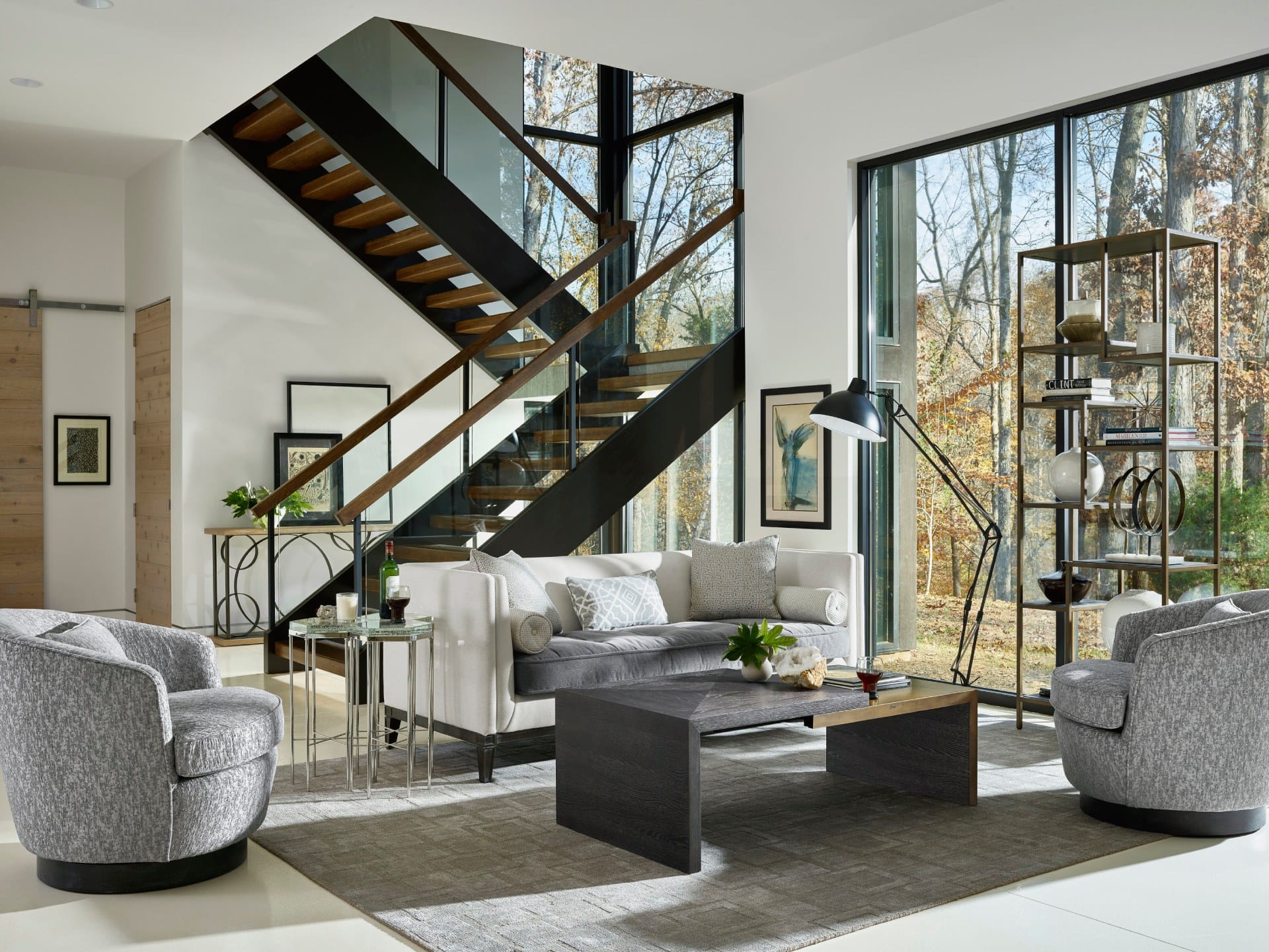
One of the best things about contemporary design is that it doesn’t require a full renovation. You can start by simplifying your space. Choose furniture with clean lines and lighting that draws attention without overpowering the room. Keep larger pieces neutral so accents can stand out. From there, add contrast by pairing smooth wood with metal or soft linen with polished stone. These combinations work together to create an inviting contemporary space. Finally, don’t be afraid of bold elements. A large piece of art and a sculptural chair or even a striking rug can instantly give your home that contemporary edge, while still feeling effortless.
Is Contemporary Design Timeless or Trendy?
The answer is a little bit of both. The foundations like open layouts, neutral palettes and clean lines are timeless. The accents and details are what allow trends to slip in and keep the style fresh. That’s actually one of its strengths. By investing in quality foundational pieces and updating smaller items like throw pillows, artwork, or lighting over time, your home can stay contemporary without constant overhauls.
Contemporary interior design is a celebration of now. It’s sleek but flexible and simple yet never boring while being perfectly suited for anyone who wants their home to feel both stylish and comfortable. Whether you’re living in a city loft or a cozy family home, its adaptability makes it a design language that works anywhere.
Ready to see this style in action? Book your complimentary consultation and let’s start creating your very own contemporary space with Landry Designs.